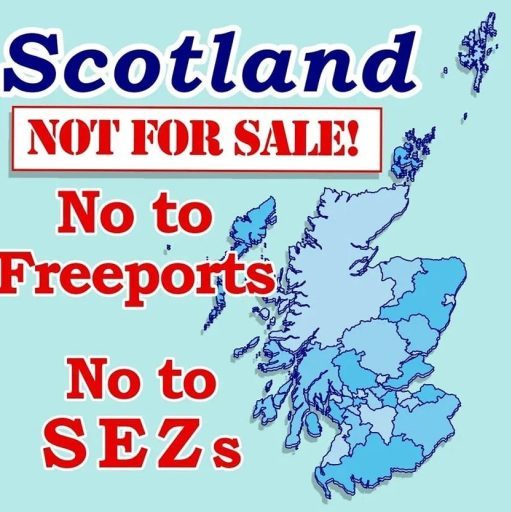

Some links : QR code to the right – to the Forth Green Freeports
Mythbusting by Forth Green Freeports
What are green freeports – FAQs

The Firth of Forth freeport was established as part of the UK freeports programme. The stated aim was to drive economic regeneration around the Firth of Forth, including Edinburgh, Fife and the Lothians.
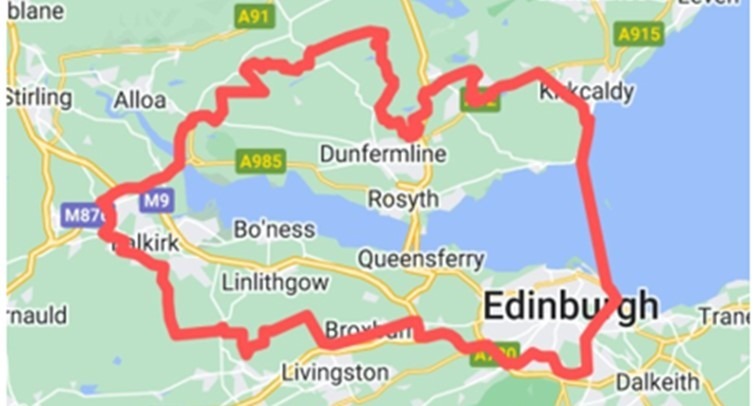
A freeport is not just a port. It covers a huge area.
Social improvements from the Firth of forth Green Freeport (2024 – 2025)
Job creation and employment opportunities.
Forth Freeport – now in full delivery mode
They have published a full business case which has been approved by both the UK and Scottish governments.
The seed funding has been unlocked by the signing of the MOU in January.
Their website has undergone an update and is well worth a visit to keep you informed.
In their news section. – access to board minutes, quarterly updates and general news.
The latest published minutes of the Forth Green Freeport Governance Board is from the January meeting. The minutes from the May meeting will be published after the September meeting.
Latest edition of the Forth Green Freeport update June 22nd, 2026. All previous updates available.
Updated 2026 version of their full business case can be found in the governance section. scroll down to the FBC, and read online and you can also download. 322 pages packed full of detail.
Once the Freeport is operational, annual reports will be submitted outlining activities undertaken.
The governance framework anticipates regular reporting by the Accountable Body once the Freeport became operational. However, while governance and approval papers are publicly available, comparatively little routine performance reporting by the Accountable Body has been identified during the transition from approval to delivery.
Work in underway to prepare Grangemouth for Freeport investment
Good news for the local area ?
Public money, private gain
The “£25 million seed capital” comes from taxpayers. It won’t be used to improve public services in Grangemouth or Falkirk — it’s public subsidy to help private companies set up inside the freeport.
Once those companies are in, they’ll benefit from special tax breaks, reduced regulation, and relaxed customs rules. Ordinary businesses outside the zone get none of these perks.
Jobs promises are exactly that. The business plan outlines that their estimates are on the low side and hope they will prove underedstimated.
Competing with many other freeports and investment zones throughout Scotland and the rest of the UK.
What about “skills programmes” and “economic benefits,” but they cant give firm numbers as they are only just starting. There can be no guarantee of how many jobs, how secure they’ll be, or whether they’ll be well-paid. It is hoped.
Will there be an accountability gap.
Communities get little say in how the land, tax breaks, or public money is used.
Greenwashing. Titles like “net zero and innovationr” sound good, but freeports typically encourage high-throughput logistics, shipping, and industry — sectors with heavy carbon footprints.
Spin vs. reality
A freeort isn’t about families getting better schools, hospitals, or cleaner air. It’s about creating a tax-break zone for big companies subsidised with public cash, with vague promises of jobs and “green growth.”
The real winners: multinationals and private investors.
The real losers: the public purse, local democracy, and the wider community that won’t see much benefit from the money handed over.
The Forth freeport was promoted with high expectations of creating highly paid, professional jobs in sectors like offshore wind and sustainable fuels. However, to date, there is limited public data on the number of jobs created with the Forth Freeport.
Early days.
Concerns have been raised about job losses within the Freeport’s boundary, particularly at Grangemouth – Scotland’s only oil refinery which has now closed, as well as Alexander Dennis in Falkirk and Lambert, both located within the freeport area.
These closures have raised questions about the Freeport’s overall job impact, as no clear figures on new employment have been provided and no specific job creation numbers have been publicly confirmed in recent updates as yet.
Are they shifting jobs rather than creating new ones?
Is it a case of profit over people? with Grangemouth and Alexander Dennis, are we seeing a pattern which will be repeated?
The Forth freeport is still in its early stages with public money being provided. We need to keep a close watch on its progress to determine if this is money well spent, and the impact all changes may have on the public purse.