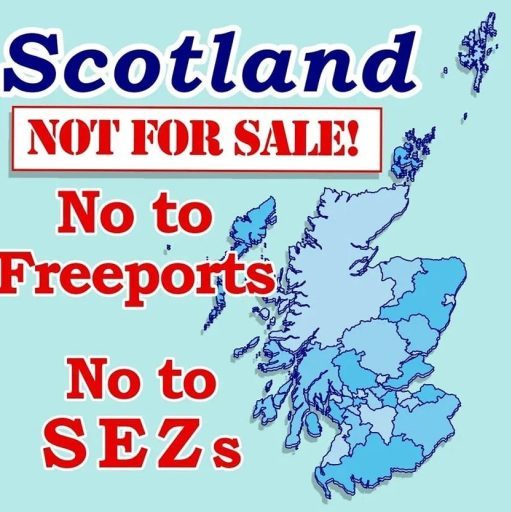
Investment Zone (SEZ)
Glasgow and South West
The Glasgow City Region Investment Zone now has a substantially identifiable formal governance structure.
The programme is a joint UK–Scottish Government policy delivered regionally through the Glasgow City Region partnership, with Glasgow City Council acting as Accountable Body and the established Glasgow City Region Cabinet, Chief Executives’ Group and Programme Management Office providing much of its governance infrastructure.
Became operational in February and March 2026
Investment zone funding received
MOU signed February 2026 – UK government, Scottish government and Glasgow city council (accountable body)
The principal core public offer is up to £160 million over ten years, consisting of tax incentives and flexible programme expenditure, supplemented by substantial additional arrangements including Scottish Enterprise match funding, additional Scottish Government skills. The Investment Zone is not synonymous with the Glasgow City Region City Deal. It is a separate programme with different policy origins, funding, Gateways, tax mechanisms and objectives, although it deliberately uses much of the same regional governance machinery. funding and potentially significant long-term Non-Domestic Rates retention.
The programme has moved beyond being merely proposed: all five government Gateways have been approved; the main MoU has been executed; funding has begun flowing through the Accountable Body; the tax and NDR retention sites are operational; the Programme Assurance Framework is approved; and initial annual reporting has commenced.
At the same time, some dedicated Investment Zone governance bodies were still being established during 2026, individual project business cases remained at different stages, the NDR reinvestment system was still developing, and some aspects of public accessibility and detailed financial reporting remain matters for subsequent evidence examination.
NDR reinvestment strategy : The May 2026 Cabinet material identifies a draft Non-Domestic Rates Income Re-Investment Strategy, under which income from AMIDS/Airport, Glasgow Clyde and Eurocentral would be pooled at regional level.

Glasgow City Region Cabinet papers and minutes
Glasgow city council committee system
Scottish government publications
UK government publications
Glasgow and South west – Investment Zone.
A huge area spanning eight councils, stretching eastward halfway to Edinburgh, where it connects with the Forth Freeport zone.
The UK government is “investing” in this zone, and reducing the overall finance to Scotland by the same amount, which means no extra money, but councils expected to contribute with reduced budgets.

Glasgow City is required to provide the UK and Scottish governments with:
Investment Zones- advantages
Are strategically established to boost economic development through innovative regulations, enticing tax perks, and robust support systems that enhance international commerce. Similar to the rules in freeports, but there are some differencees
But what benefit to the local economy? What safeguards? What accountability?
Will they deliver on their promises of economic regeneration, particularly in post Brexit Britain?
Previous experience with big projects like this suggest not. They can benefit thee people if correctly controlled and organised. However, people’s trust in government is low, and the people must hold our elected representatives to account.
info@scotland-notforsale.scot