
Freeports and SEZ Special Economic Zones and Energy
Freeports and SEZ Special Economic Zones and Energy
Energy
Solar panels
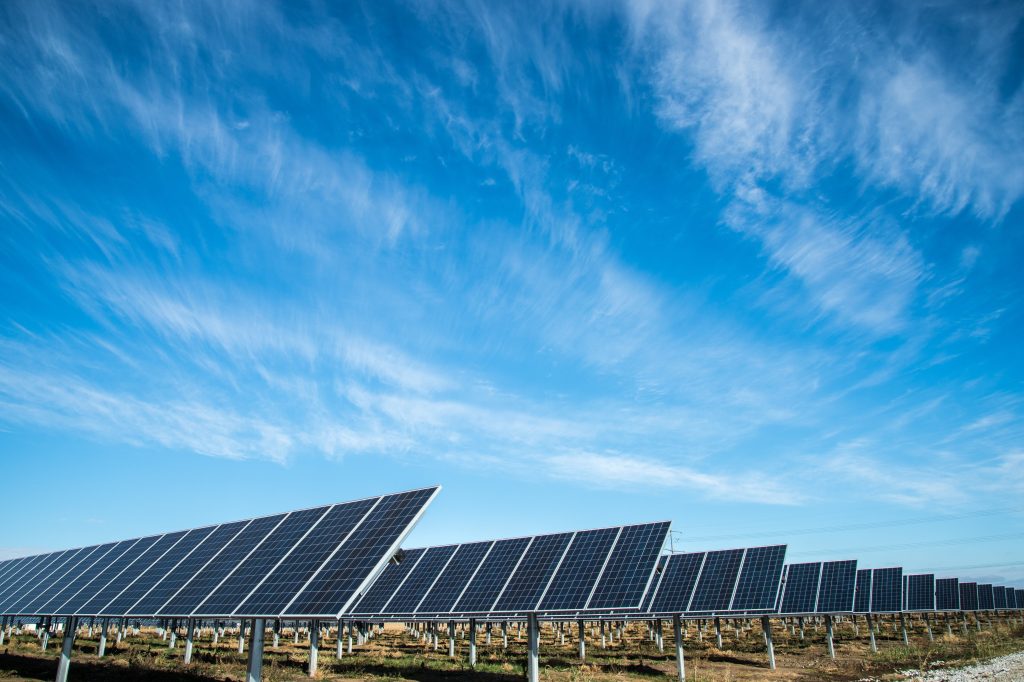
A solar panel is a device that converts sunlight into electricity by using photovoltaic (PV) cells. PV cells are made of materials that produce excited electrons when exposed to light. These electrons flow through a circuit and produce direct current (DC) electricity, which can be used to power various devices or be stored in batteries. Solar panels are also known as solar cell panels, solar electric panels, or PV modules.
A solar panel is a device that converts sunlight into electricity by using photovoltaic (PV) cells. PV cells are made of materials that produce excited electrons when exposed to light.
These electrons flow through a circuit and produce direct current (DC) electricity which c an be used to power various devices or stored in batteries
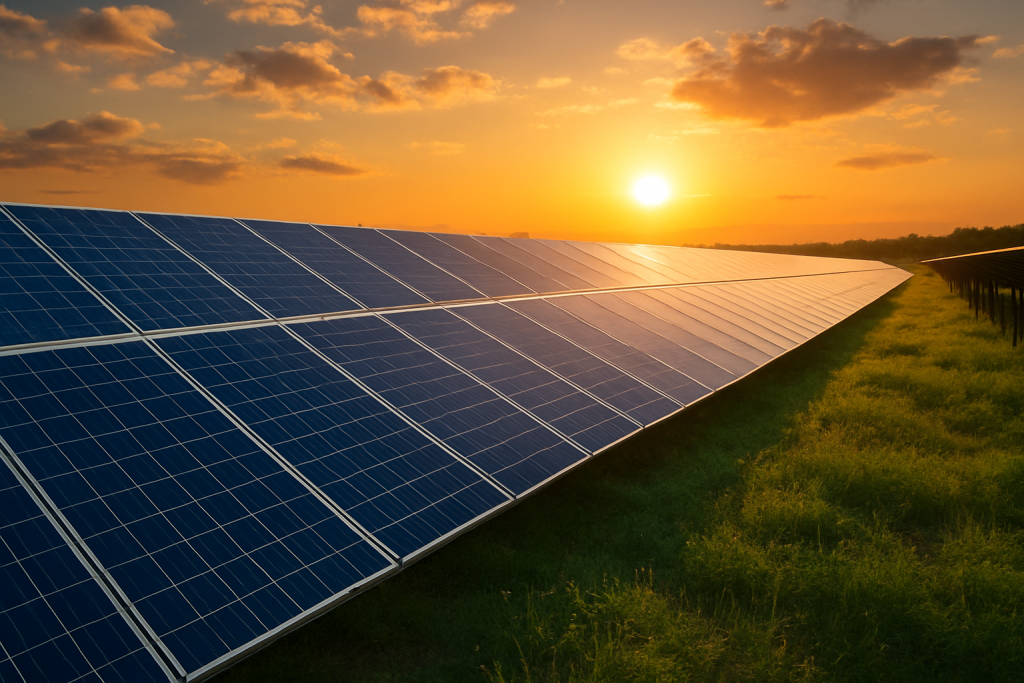
The government has set a target to deploy 4-6 gigawatts (GW) of solar power by 2030, with the requirement that large-scale projects provide community benefits.
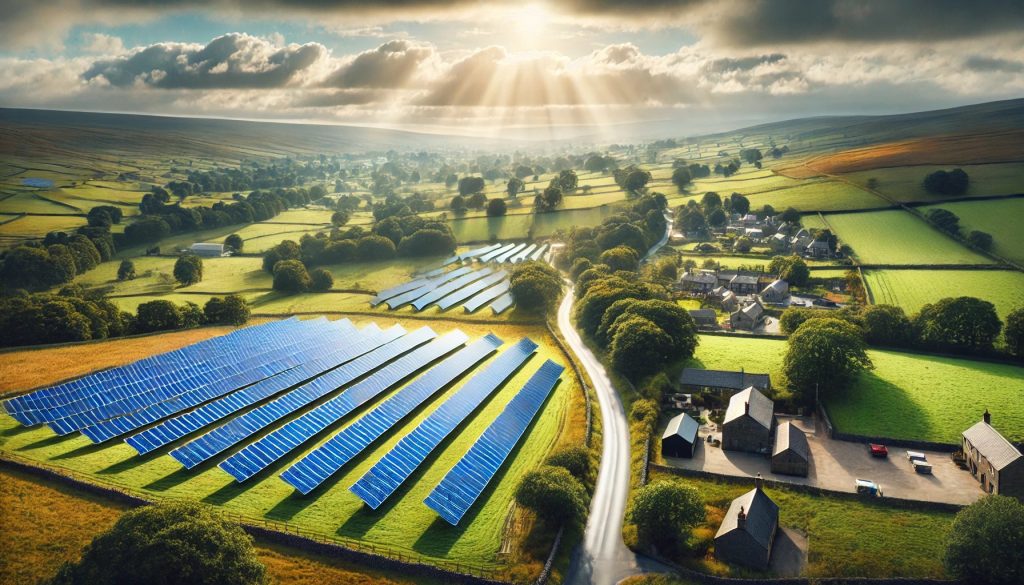
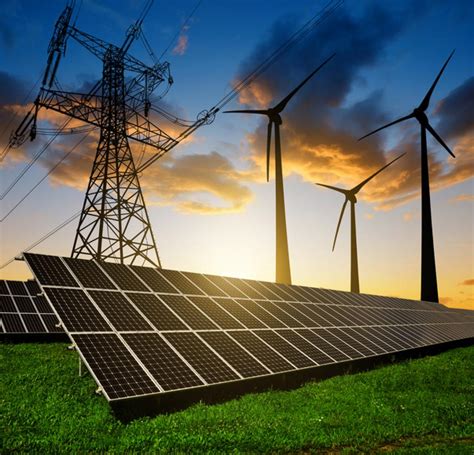
The Scottish Government is focused on increasing large-scale solar power generation by 2030 and approves major energy infrastructure projects, including the pylons needed to transport renewable energy from places like the Highlands. While solar farms are a key goal, the government also oversees the building of pylon lines to connect renewable sources to the national grid, a process that requires significant community engagement and can lead to local opposition due to potential scenic and environmental impacts.
Concerns exist around the loss of agricultural land, the scale of installations in rural areas, and whether the energy generated is integrated efficiently into the national grid.
A typical coal or natural gas power plant can produce about 500 MW on less than 100 acres. So for the same energy output, a solar plant would need 2,500-5,000 acres.
Waste and recycling, wildlife impacts, soil and vegetation, construction and operation concerns are being raised.