
Freeports and SEZ Special Economic Zones and Energy
Freeports and SEZ Special Economic Zones and Energy
Energy
Wind Turbines
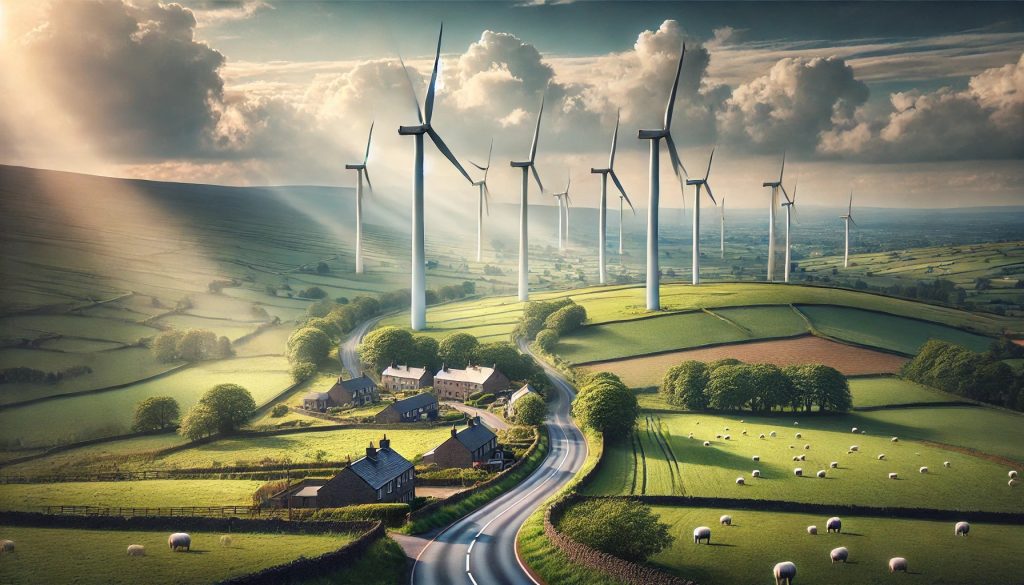
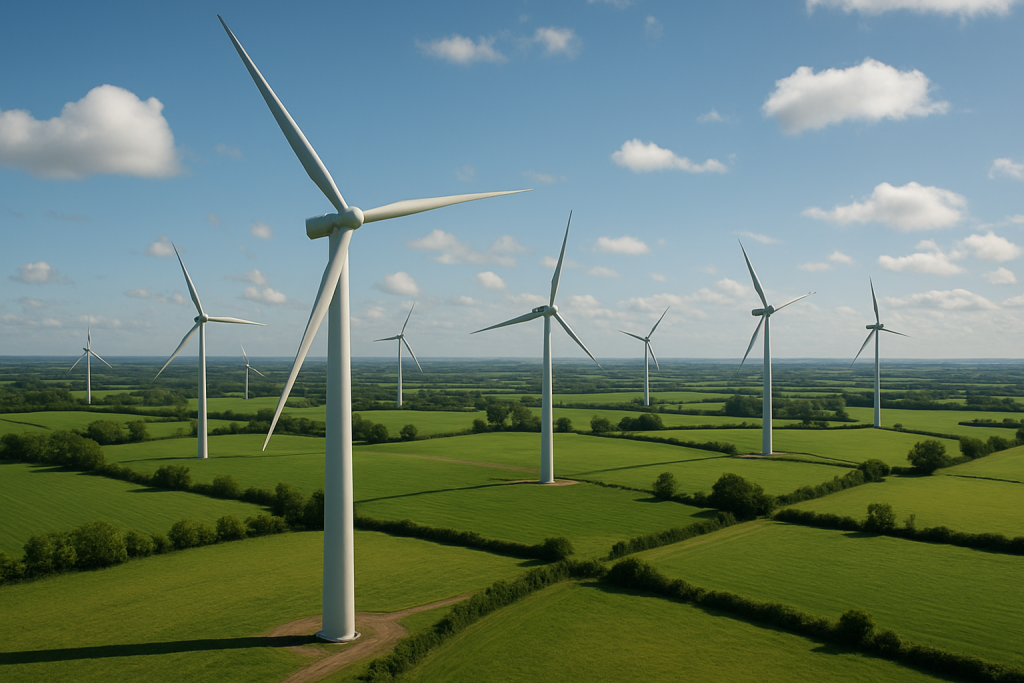
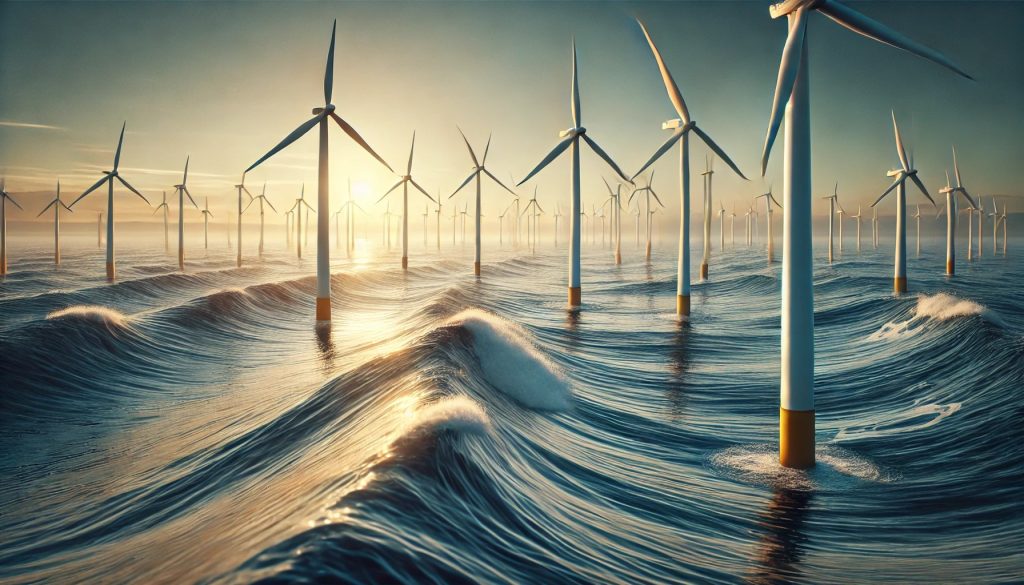
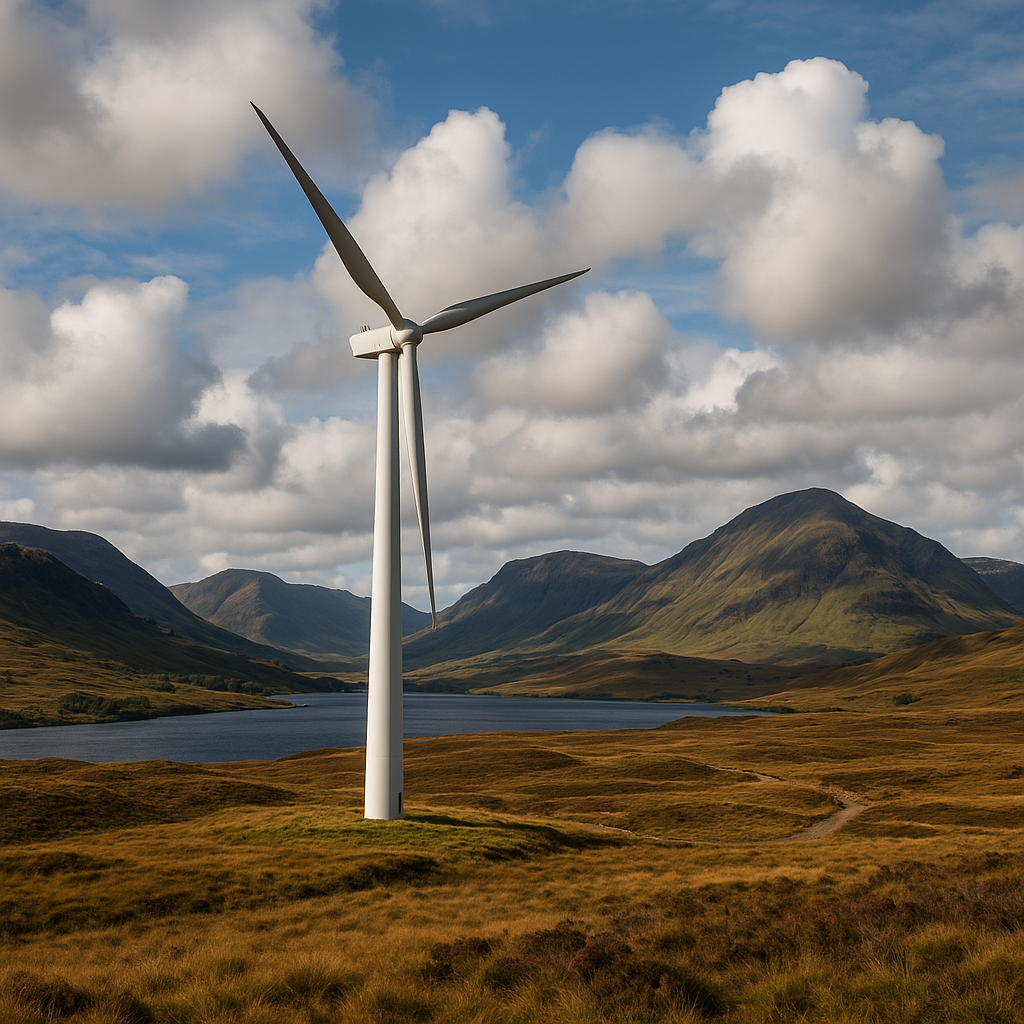
Wind turbines are a key part of wind energy generation, a clean and renewable method of producing electricity. They can be found in large groups at wind farms, either onshore or offshore, or as smaller units for individual use.
A wind turbine is a machine that harnesses wind energy, converting its kinetic energy into mechanical power, which then spins a generator to produce electricity. These modern versions of windmills consist of blades that catch the wind, a rotor that turns the blades, a nacelle housing the mechanical and electrical components like a gearbox and generator, and a tower that supports them. The generated electricity is then sent through a transformer to be distributed to the national grid
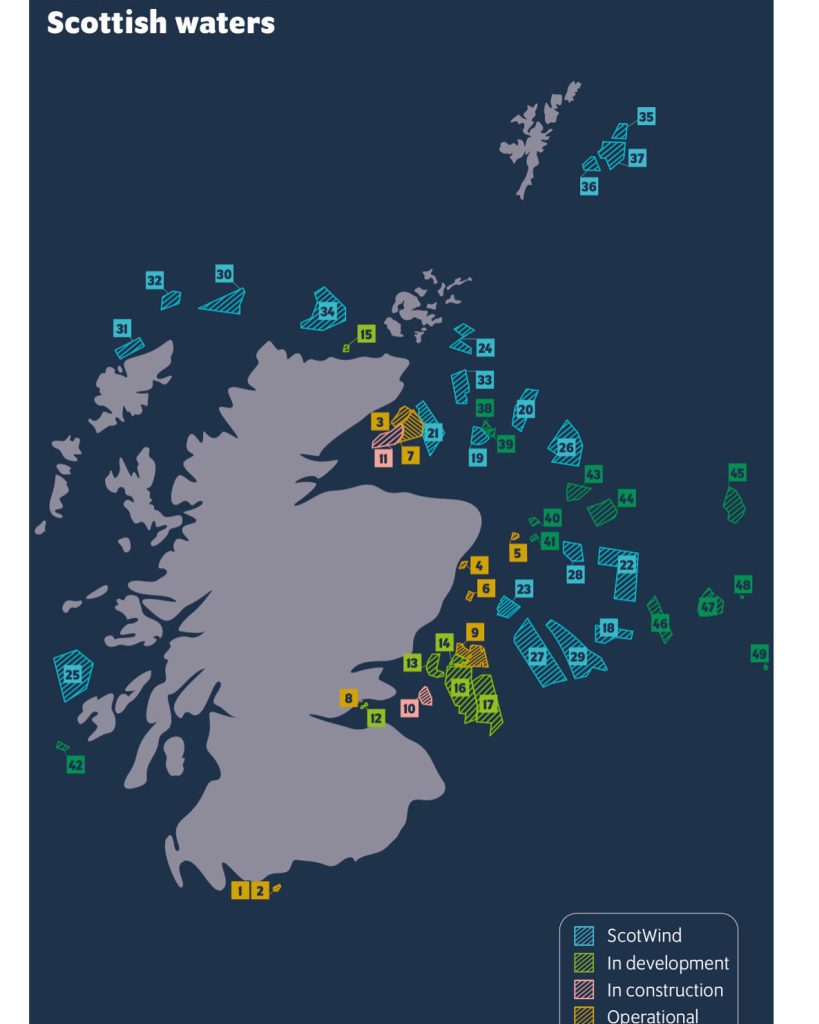
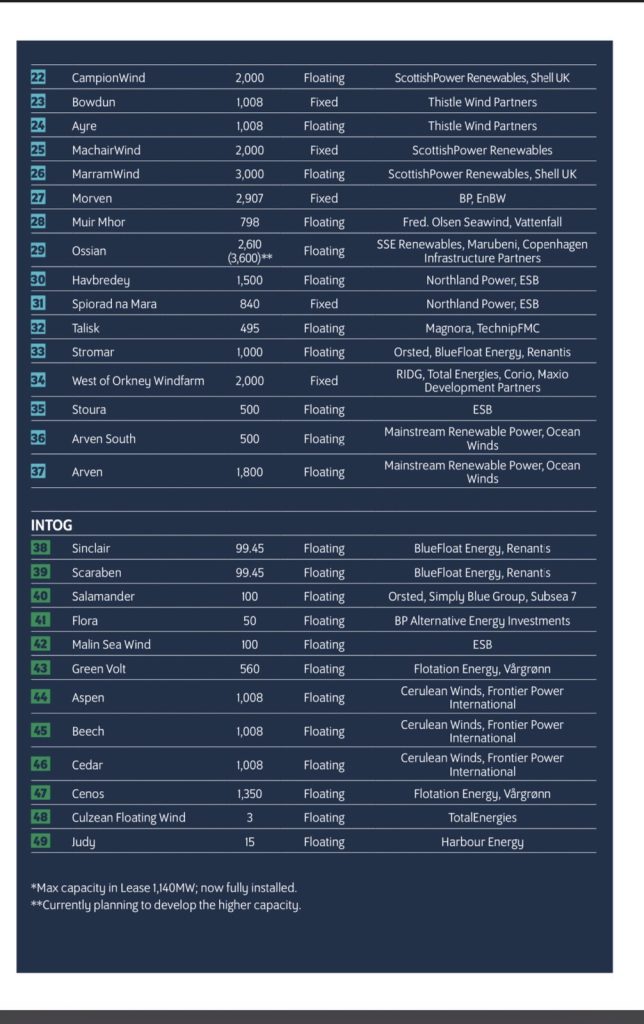
Scottish waters boast significant offshore wind potential, with operational wind farms and a large pipeline of future developments, including a world-leading position in floating wind technology.
The ScotWind leasing round, managed by Crown Estate Scotland, awarded option agreements for over 30 GW of potential capacity, with many projects focusing on innovative floating foundations to access deeper waters. Scotland’s strong offshore winds and strategic marine planning support a growing renewable energy sector, with initiatives like the <Sectoral Marine Plan (SMP-OWE) guiding development and supply chain growth.
Scotland has several operational offshore wind farms, including fixed-bottom projects and the world’s first floating ones, Hywind Scotland and Kincardine.
The 2021 ScotWind leasing round resulted in option agreements for 20 projects, with a significant portion dedicated to floating offshore wind.
Onshore Wind Turbines
Negative impacts of wind turbines include wildlife harm (bird and bat collisions), visual and noise pollution affecting communities and landscapes, potential health effects for residents, and broader environmental impacts from material production, construction, and land use. Offshore wind farms pose specific concerns to marine ecosystems and species through construction noise and habitat changes
Wind power has become a hot topic in many countries. Like all forms of power production, wind power plants affect people and the environment. Unfortunately, the debate is often characterised by incorrect, inaccurate and misleading claims.
Wind power has become a hot topic in many countries. Like all forms of power production, wind power plants affect people and the environment. Unfortunately, the debate is often characterised by incorrect, inaccurate and misleading claims.
Negative impacts of wind turbines include wildlife harm (bird and bat collisions), visual and noise pollution affecting communities and landscapes, potential health effects for residents, and broader environmental impacts from material production, construction, and land use. Offshore wind farms pose specific concerns to marine ecosystems and species through construction noise and habitat changes